🌩️ Multi-Cloud E-Commerce Demo
Welcome to the Multi-Cloud E-Commerce Demo developer documentation. This project provides a reference architecture for a distributed microservices system across multiple environments, demonstrating the practical application of Google Cloud networking, compute, and security products alongside multi-cloud integration.
🚀 Live Environment Hub
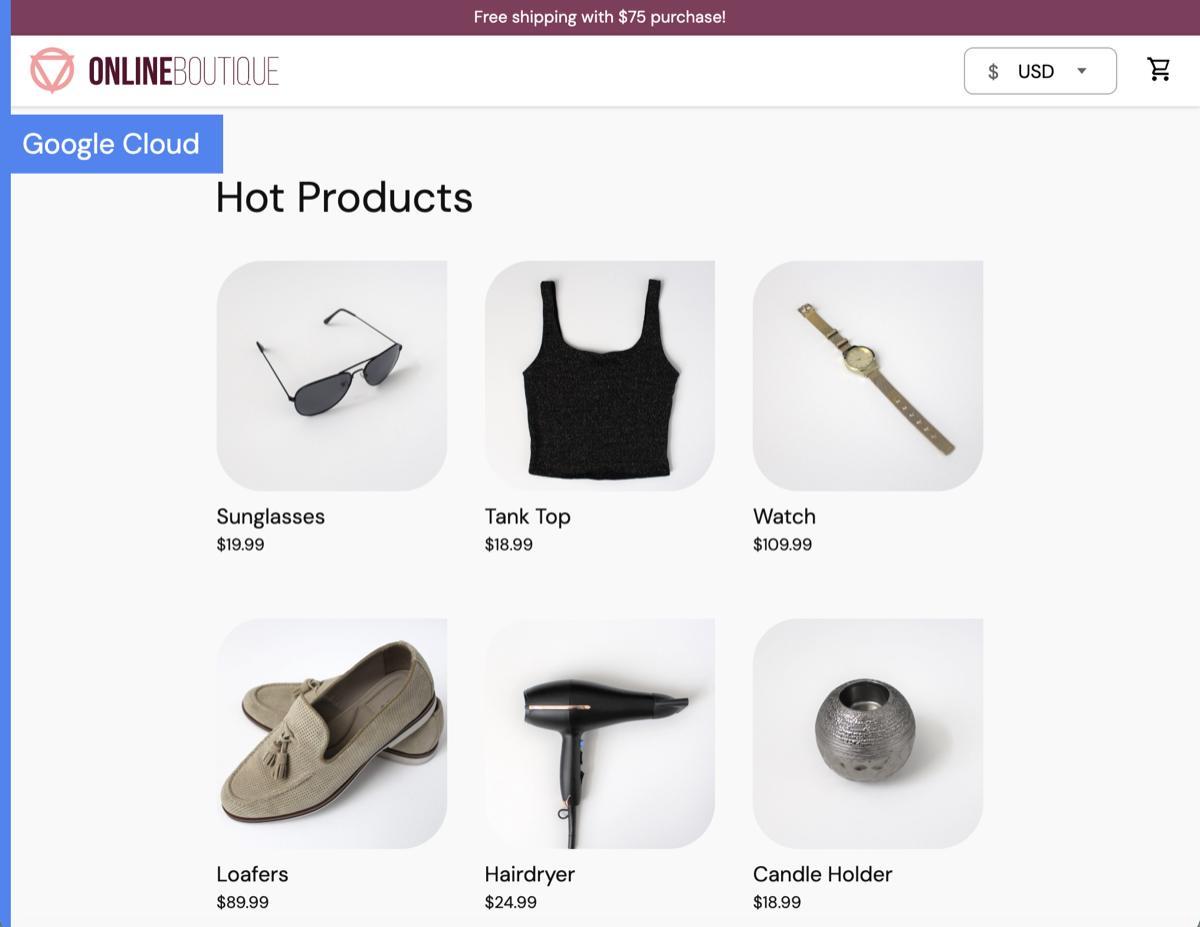
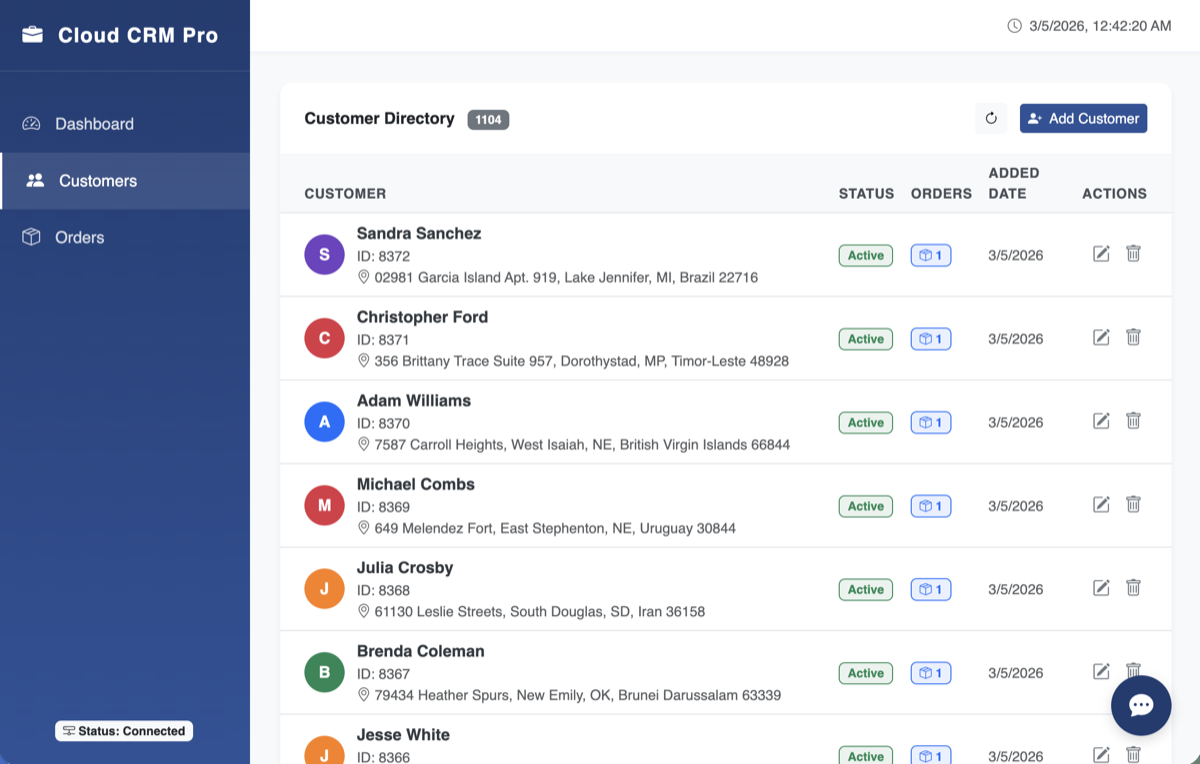
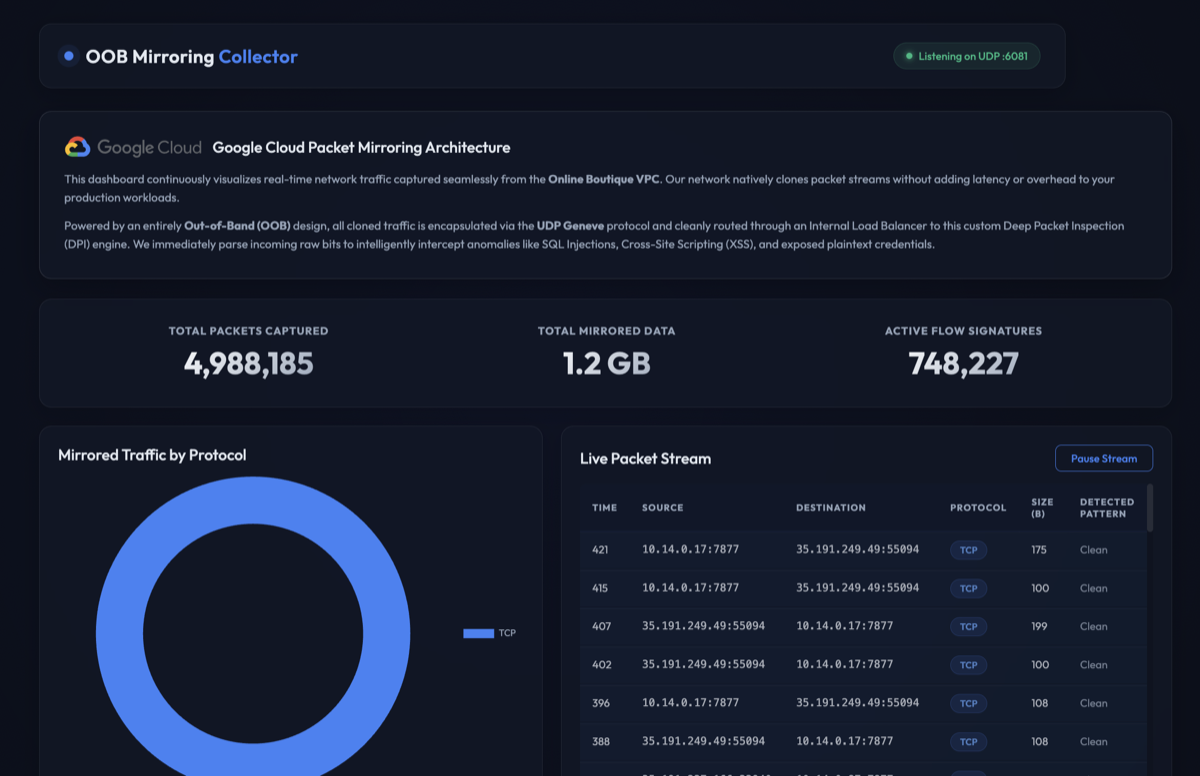
The entire platform is actively deployed and running natively on Google Cloud. You can directly interact with the live applications below, or jump straight into the cloud architecture using the Google Cloud Console.
🎯 Educational Focus
This documentation is designed for Software Engineers (SWEs), Network Engineers, and Product Managers (PMs) to understand and evaluate advanced system design and network perimeters in practice.
By exploring this architecture, you will learn how to:
- Apply Zero-Trust Networking: Understand the specific use cases for Private Service Connect (PSC) and Internal Load Balancing (ILB) to enforce strict boundaries.
- Connect Serverless Workloads Securely: Compare Direct VPC Egress with Serverless Connectors.
- Implement Multi-Cloud Integrations: Route secure communication across boundaries utilizing Dedicated Interconnects or HA VPNs.
- Govern B2B External Access: Use Apigee API Management to precisely protect internal workloads.
- Enable Event-Driven Operations: Utilize Google Cloud Pub/Sub and BigQuery for data pipelines.
- Integrate AI & Intelligence: Build workflows utilizing Vertex AI Agent Engine and modern language proxies.
- Network Observability & Security: Deploy Out-of-Band (OOB) Packet Mirroring for real-time Deep Packet Inspection.
📚 Documentation Navigation
To systematically understand the system, explore the modules in the following order:
1. Business Domains
Understand what the application components do. Explores functional areas without delving into code. Explore Business Domains
2. Technical Architecture
A breakdown of the APIs, data flows, and inter-service communication patterns. Explore Technical Architecture
3. Cloud Networking
A detailed analysis of how traffic physically routes between isolated VPCs and services. Master Cloud Networking
4. Infrastructure & DevOps
A review of the multi-region deployment map and Terraform infrastructure-as-code structure. See Infrastructure Specs
Built with ♥️ using Material for MkDocs.